
Magnesium Deficiency: Signs, Causes, and How to Fix It
Magnesium is one of the hardest-working minerals in your body, involved in hundreds of processes — yet a deficiency is common and surprisingly easy to miss. It can show up as muscle cramps, poor sleep, fatigue, or anxiety, and a routine blood test doesn’t always catch it. So what are the signs of magnesium deficiency, what causes it, and how do you fix it? Let’s decode it.
What is magnesium and why does it matter?
Magnesium is an essential mineral that takes part in more than 300 reactions in your body. It helps your muscles and nerves work, keeps your heartbeat steady, supports healthy blood sugar and blood pressure, builds strong bones, and helps turn food into energy. When you run low, many of these systems can quietly start to struggle.
Normal magnesium levels (and why the blood test can miss it)
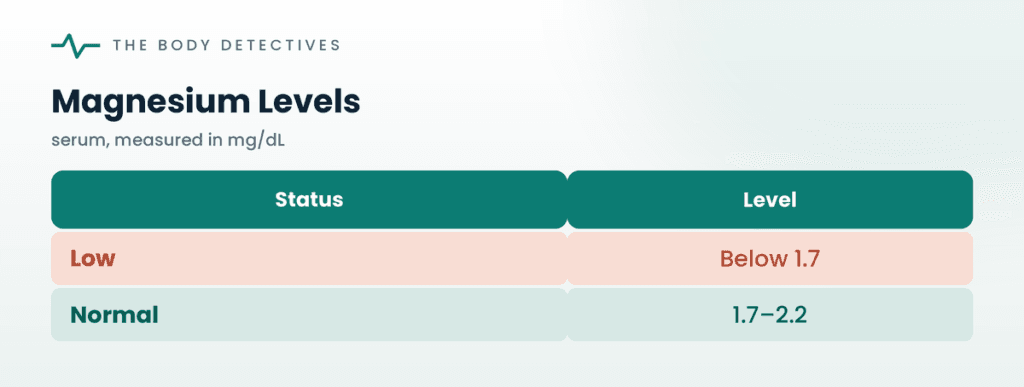
A standard blood (serum) magnesium level is usually 1.7–2.2 mg/dL (about 0.7–0.95 mmol/L). Here’s the catch: less than 1% of your body’s magnesium is in your blood — most is stored in your bones and cells. That means your blood level can look “normal” even when your overall stores are low, so doctors weigh your symptoms and risk factors, not just the number.
Signs and symptoms of magnesium deficiency
- Muscle cramps, twitches, or spasms
- Fatigue and general weakness
- Poor sleep or difficulty relaxing
- Anxiety, irritability, or low mood
- Headaches or migraines
- In more severe cases, numbness, tingling, or an irregular heartbeat
What causes low magnesium?
Many modern factors can deplete magnesium, including a diet high in processed foods, drinking a lot of alcohol, type 2 diabetes, digestive conditions that reduce absorption (such as Crohn’s or coeliac disease), ongoing diarrhoea or vomiting, and certain medications like some diuretics and long-term acid-reducing drugs (PPIs). Older adults are also more prone to it, as absorption tends to fall with age.
How to raise your magnesium
For most people, food comes first. Magnesium-rich foods include nuts and seeds (especially pumpkin seeds and almonds), leafy greens like spinach, legumes, whole grains, and dark chocolate. If you need a supplement, well-absorbed forms such as magnesium citrate or glycinate are popular, while magnesium oxide is cheaper but absorbed poorly. You can read a detailed, reliable overview at the NIH Office of Dietary Supplements.
A note on supplements and safety
Magnesium supplements are generally safe, but more is not better. High doses commonly cause diarrhoea and stomach upset, and they can interact with some medications (including certain antibiotics). Importantly, if you have kidney disease, you should not take magnesium supplements without medical advice, as your body may struggle to clear the excess. When in doubt, check with your doctor or pharmacist first.
When should you see a doctor?
See your doctor if you have persistent cramps, fatigue, or the symptoms above, especially if you have a condition or take a medication that affects magnesium. Severe deficiency needs medical treatment. And since tiredness has many overlapping causes, it’s worth reading our guides to vitamin D deficiency and vitamin B12 deficiency, which can feel very similar.
The bottom line
Magnesium quietly supports your muscles, nerves, sleep, and energy, and a deficiency is both common and easy to overlook — partly because blood tests can miss it. A diet rich in nuts, seeds, and greens covers most people’s needs, with supplements as a backup when required. If you have ongoing symptoms, let your doctor help you get to the cause.
This article is for general educational purposes only and is not a substitute for professional medical advice. Always consult your own doctor before starting supplements or making changes to your health routine. See our Medical Disclaimer for more information.