Blood Pressure by Age: What’s Normal and What Your Reading Means
Blood pressure is one of the most important numbers your body produces — yet most people have no idea whether their reading is healthy. It quietly shapes your risk of heart attack, stroke, and kidney disease, often without a single symptom. So what is a normal blood pressure by age, what do the two numbers actually mean, and when should a reading worry you? Let’s decode it.
What is blood pressure?
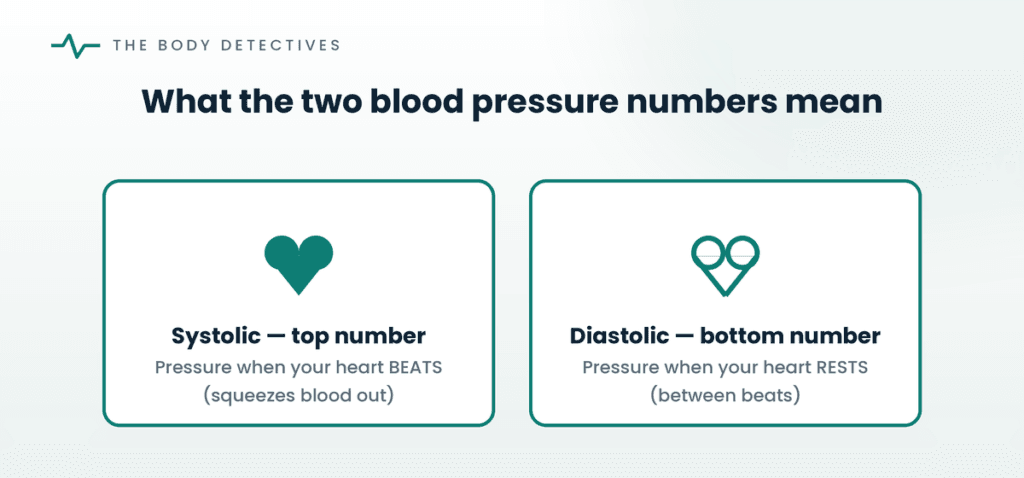
Blood pressure is the force of your blood pushing against the walls of your arteries as your heart pumps. It is written as two numbers measured in millimetres of mercury (mmHg) — for example, 120/80. The top number (systolic) is the pressure when your heart beats, and the bottom number (diastolic) is the pressure when your heart rests between beats.
Blood pressure chart: normal vs high
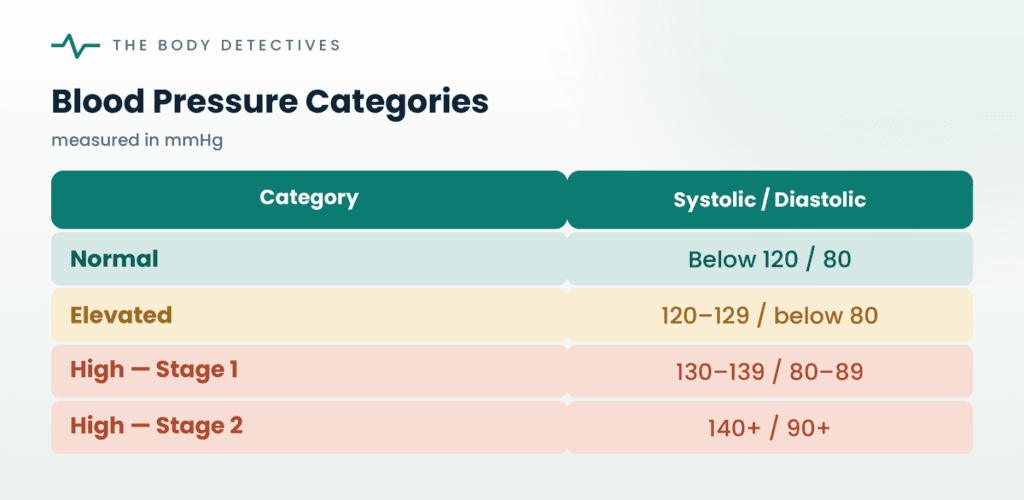
For adults, blood pressure is grouped into the following categories. These ranges apply to all adults, regardless of age:
| Category | Top number (systolic) | Bottom number (diastolic) |
|---|---|---|
| Normal | Below 120 | and below 80 |
| Elevated | 120–129 | and below 80 |
| High BP — Stage 1 | 130–139 | or 80–89 |
| High BP — Stage 2 | 140 or higher | or 90 or higher |
| Hypertensive crisis | Higher than 180 | and/or higher than 120 |
If your two numbers fall into different categories, your blood pressure is classified by the higher one.
Does normal blood pressure change with age?
This is where many “blood pressure by age” charts are misleading. It is true that average blood pressure tends to rise as we get older, mainly because arteries stiffen over time. But a higher reading does not become “healthy” simply because you are older. For most adults, a blood pressure below 120/80 is still the ideal goal at any age.
Children are the main exception: they naturally have lower blood pressure than adults, and what counts as normal for a child depends on their age, height, and sex. A child’s blood pressure should always be interpreted by a doctor using paediatric charts — not the adult categories above.
What the top and bottom numbers mean
The systolic (top) number is usually the one doctors watch most closely, especially after age 50, because it is a strong predictor of heart problems. The diastolic (bottom) number matters too, particularly in younger adults. A healthy reading needs both numbers to be in range — if either one is consistently high, it counts.
What does high blood pressure mean?
High blood pressure (hypertension) means your heart and arteries are under constant extra strain. It is often called the “silent killer” because it usually causes no symptoms for years, while quietly raising the risk of heart attack, stroke, heart failure, kidney damage, and vision loss. Common contributors include excess weight, a high-salt diet, inactivity, stress, smoking, too much alcohol, family history, and certain medical conditions. The good news: it is highly treatable once it is found.
What does low blood pressure mean?
Low blood pressure (hypotension, generally below 90/60) is often harmless and even a sign of good health in fit people. But if it causes symptoms — dizziness, light-headedness, fainting, blurred vision, or fatigue — it is worth investigating. Causes can include dehydration, certain medications, prolonged standing, or underlying conditions. Sudden low blood pressure with confusion or a rapid, weak pulse needs urgent medical attention.
How to measure your blood pressure correctly
- Sit quietly for 5 minutes first, with your back supported and feet flat on the floor.
- Rest your arm on a table at heart level, and wrap the cuff on bare skin.
- Avoid caffeine, exercise, and smoking for 30 minutes beforehand, and empty your bladder.
- Don’t talk during the measurement, and take two or three readings a minute apart, then average them.
- Measure at the same times each day. One high reading is not a diagnosis — your pattern over days and weeks is what matters.
How to lower your blood pressure naturally
If your blood pressure is high or creeping up, these evidence-based habits can make a real difference — sometimes enough to avoid or reduce medication:
- Reduce salt and eat more vegetables, fruit, and whole foods.
- Move most days — even brisk walking lowers blood pressure.
- Lose excess weight, even a few kilograms helps.
- Limit alcohol, stop smoking, and manage stress and sleep.
When should you see a doctor?
Have your blood pressure checked regularly, and see a doctor if your readings are consistently 130/80 or higher, or if you have symptoms of low blood pressure. Seek emergency care immediately if a reading is higher than 180/120, especially with chest pain, shortness of breath, severe headache, weakness, or difficulty speaking — this can be a hypertensive crisis.
The bottom line
For most adults, a blood pressure below 120/80 mmHg is the goal at any age. Because high blood pressure is usually silent, regular checks are the only way to catch it early — and simple lifestyle changes can have a powerful effect. Blood pressure and heart rate are two different signals, so it’s worth understanding both: see our guide to resting heart rate by age.
This article is for general educational purposes only and is not a substitute for professional medical advice. Always consult your own doctor about your personal health. See our Medical Disclaimer for more information.
For more, see the American Heart Association‘s guide to understanding blood pressure readings.